Showing posts with label Refrigerator. Show all posts

Tuesday, May 1, 2018

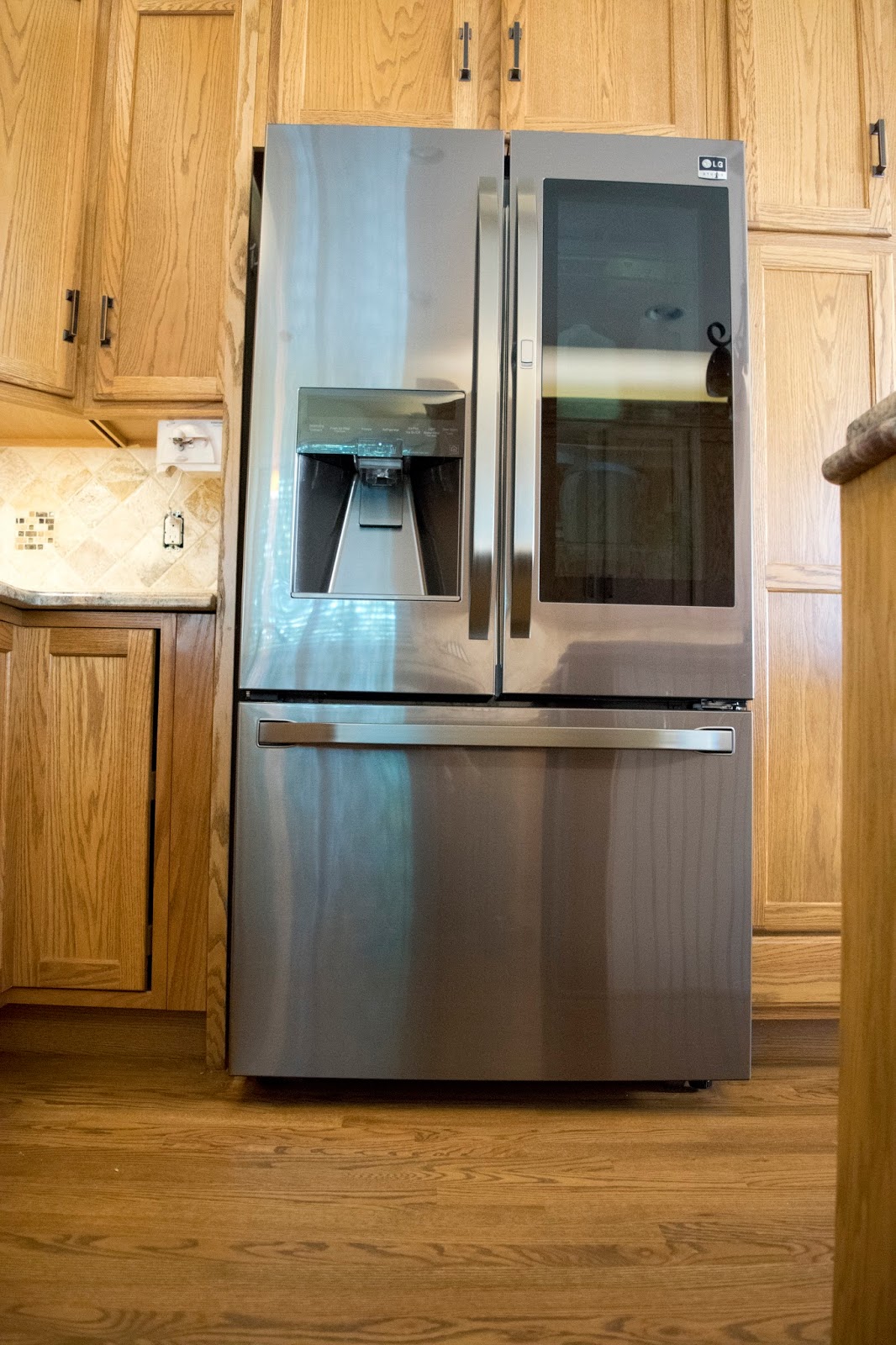
Refrigerator Options

Refrigerators are usually the first appliance to choose when purchasing new appliances for several reasons.  Because of unique refrigerator sizes, it is difficult to choose other appliances before your refrigerator because you want to make sure that the biggest appliance will fit and match all other appliances that you get. Many times the brand will be determined by the size restrictions of your kitchen or any home restrictions.  Sometimes, even your front door or access to your kitchen can be the deciding factor on the size of your fridge. The majority of full size refrigerators have a height of about 70 inches to the top of the hinge and about 68.5 inches to the top of the case behind the fridge where the cabinet above the fridge will be located. There are also options for counter depth units.  The width of most full size refrigerators is about 36 inches and the depth is usually around 32 inches without handles.

Because of refrigerators large size in comparison to other appliances, it takes up a lot of visual space. Think carefully about how much room you’ll actually need for storing food before you start shopping. Unique sizes like 33 inch wide, counter-depth, 72 inch high, and built-in refrigerator models are all available. The finish options that are available are top mount, bottom mount, side-by-side, French door, and event 4 and 5 door French Door options. Many of these choices will be determined by the type of food you typically put in your refrigerator and if you have a secondary freezer that may make your freezer space less important.  Other factors to consider are water and ice dispensers that are available on the door, inside, or you can choose units without any dispenser.

Most if not all, French door units have an ice maker in the freezer, if it doesn’t have one on the door.  Most side-by-side units will have a dispenser on the door only a very small amount of those do not.  Counter depth units will decrease capacity by about 20% with a maximum of about 24 Cu. Ft.  Some full depth models of French door and four or five door units can get up to about 33 Cu. Ft. inside.  One thing to be very aware of is what you would determine as usable space for what you would put in your refrigerator which may be different from someone else. For instance, a 27 Cu. Ft. side-by-side might not be able to handle platters of food for someone who likes to entertain often. If you do like to entertain often you may want to look more into a bottom mount fridge, French door, or four or five door.  Also to consider is that most people use their refrigerator 85% versus their freezer 15% of the time.

In the end, there are many options to choose from, probably too many, but it is likely that you will find the perfect one that will accommodate for your kitchen and home needs. Give us a call if you have questions and stop by one of our stores to see them in person.

Tuesday, December 26, 2017

3 Reasons to Buy A French Door Fridge


There are so many different options for refrigerators. There are top-mount, French doors, bottom mount, side-by-side, and more. It is hard to distinguish which one is the best choice. Here are three reasons why people like the conference of having a French door refrigerators.
1. Do you hate bending down to find things in crisper drawers way at the bottom of the fridge? And do you sometimes forget what is in there because you can't easily see into it? Not with a French door refrigerator. The crisper drawer's are high enough for you to reach in and see into the refrigerator more easily. You can find your food easier and you do not have to bend down.
2. Usable space is optimal in a French door style fridge. With the 2 main doors up top, the width of the fresh food section is the best possible set up! You can easily reach for a deli tray, cookie sheet, or a large pizza box right in the middle of the fridge.
3. Options!  French door fridges come in a variety of set ups that are more customized to your needs. You can choose 3 door, 4 door, or even a 5 door set up. Another great option that is nice with French doors is having temperature controlled drawers. This allows you to change the temperature of the drawers that can either be used as a fridge or a freezer.
Ultimately the decision is up to you with what type of refrigerator is best for your space and family size. Hopefully, we have answered some questions about the French door option that would make you want to pick this option.
Have any more questions about different types of refrigerators? Leave them in the comments section or give us a call and we can help!


Thursday, September 7, 2017

5 Ways to Help Organize Your Refrigerator for the Freshest Food

Are you sick of your milk spoiling a few days before the expiration date? The problem could be where you put your milk in the refrigerator. Take the extra time to stock your fridge carefully to cut down on food waste.

Depending on how old or new your refrigerator is or even the special features of your specific model or brand there can be areas that you should watch out for.  Areas like door bins and upper shelves tend to be a little warmer than the middle of the refrigerator or the bottom shelves.  Here are a few steps to help you with placing your food and drinks in the best possible areas to maintain freshness.

1. The Refrigerator Doors
The temperature in the doors can be a couple of degrees higher than the main compartment. This could be too warm to store milk and eggs in. Here are items that you should place in the doors that can handle the slight change:
  • Condiments
  • Juice
  • Soda or soft drinks
  • Water
  • Butter
  • Cooking oils

2. The Lower Shelf
The very middle of you fridge is one of the coldest areas to store food. This spot is best for foods that are more temperature-sensitive. Here are the foods that should be on the lower shelf:
  • Milk
  • Eggs (in their carton)
  • Raw fish, meat, and poultry

Extra tip: You can use little trays to separate the meat from the other foods and they will also catch any drips or spills falling down into the rest of the refrigerator.


3. The Upper Shelf
This area of the refrigerator can get slightly warmer and you want to be cautious as to what you put in this area. Here are items that you should put on the upper shelf:
  • Yoghurt
  • Snacks like (fruit cups, hummus, etc.)
  • Jelly and Jam
  • Peanut butter
  • Leftovers (store more in the front of the fridge so you don’t forget about them)


4. Veggie and Fruit Bins
Crisper drawers are designed for produce. In some refrigerators you can adjust the humidity for drier foods or moister climate foods.  If you do not have the ability to adjust the humidity, that is okay and you can organize your bins in a way that low versus high humidity foods are stored together and are separate from each other. Here is a list of fruits and vegetables you can group together:


High- Humidity Drawer
  • Carrots
  • Strawberries
  • Watermelon
  • Broccoli
  • Green Onions
  • Leafy Greens
  • Brussels sprouts
Low-Humidity Drawer
  • Apples
  • Mangos
  • Pears, plums, peaches, nectarines
  • Peppers
  • Mushrooms
  • Summer squash
  • Avocados


5. Outside the Refrigerator
There are common misconceptions for a few foods that should not actually be placed in the refrigerator. Here are a few items that you should keep out on your counter-tops or food pantry:
  • Garlic
  • Coffee
  • Bananas
  • Bread (Organic bread should be refrigerated. All bread is okay to freeze)
  • Tomatoes
  • Lemons and limes
  • Onions and Potatoes but keep them away from each other


We hope that these food organization tips help you keep your food fresher longer. Let us know if you have other issues with keeping your food fresh or other questions about organizing your refrigerator. 

Friday, October 28, 2016

Pros and Cons of Counter Depth Refrigeration

Kitchen appliance shopping can be one of the most difficult shopping processes. One quick tip to making the process a little easier is pre-measuring the refrigerator. Obviously knowing the width, height, and depth of the opening is a crucial part of selecting the refrigerator. 

Today we will be focusing on the depth and know if counter depth is the best choice for your kitchen.

Pros:
  • More uniform look due to unit not protruding out as far as standard depth units which on average are 30 inches.
  •  Allow for better movement in the kitchen with only the door and handles extended past the neighboring counter tops thus creating better flow throughout the kitchen area.
  • Can create a better system of storage for items being placed within the fridge section. On standard depth fridges you can create rows of food on the shelving whereas the counter depth does not provide that ability so items can be more organized and ease of access simplified.

Cons:
  • On average the overall usable capacity will be decreased by 6-8 cubic feet. This is generally not ideal for larger families with children or multi-person homes.
  • Due to lack of freezer space some find there is a need for a small garage or separate freezer.
  • Always more expensive due to supply and demand.


With those basics pointed out you can see the importance of pre-measuring the space before going shopping so you know what to expect and what will be the best option for you home.


Wednesday, September 14, 2016

What’s the deal with all the choices?


     Walk into your friendly neighborhood appliance store and the first thing you’ll notice is a collage of color and material choices your appliances can come in.  Black, White, Stainless Steel, Slate, Black Glass, White Ice, Uber Glass Finish, Colored Stainless, Retro Colors, Modern Colors, Precious Metals, etc.  What happened to the good ol’ days when all you had to decide was whether you wanted a frost or frostless freezer?

     The truth of the matter is appliance manufacturers recognize consumers want more choices.  Everyone wants to make their home unique and “their own.”  Today’s appliance market offers more choices than ever to help accomplish this.  From a Big Chill Buttercup Yellow Retro Fridge to a BlueStar Infused Copper Gas Range; you can pretty much find whatever custom look you are going for in your home.  So get out there, look at what’s available and bring home something that will make your kitchen different than any other on the block.

Like one of these Samsung French Door Refrigerators? Find your perfect color here.

Tuesday, July 26, 2016

Counter Depth VS. Standard Size Refrigerators


There are a couple of major benefits and disadvantages to both the counter depth and standard depth refrigerators.  

Counter depth gives you the clean and flush look in the kitchen by having just the door stick out past your counter tops where as a standard depth will stick out 6 to 10 inches beyond the counter top.  

Counter depth still offer all of the same features and benefits as a standard depth fridge but you lose out on capacity.  This is the major disadvantage as an average standard depth refrigerator is between 26 and 30 cubic feet while a counter depth refrigerator varies between 19 and 24 cubic feet.  

Another disadvantage is the price of the counter depth refrigerator.  On average you tend to pay more for one than a standard depth because it is considered a specialty appliance. 

In the end if you prefer to have a clean look over a larger capacity then counter depth is right for you.  

Friday, July 22, 2016

Dorm Room Checklist: Essentials for College

It’s that time of year again- millions of families are getting their young adult children ready to embark on their journey to college. It’s an exciting time for students and parents alike as the kids get ready to fly the nest. Make sure your college student has everything he or she will need to make himself or herself feel at home with this handy checklist for dorm room supplies.

Kitchenware- Due to safety regulations in place in most of the college dorms across the country, items like hot plates and toaster ovens aren’t always allowed, but that doesn’t mean your child won’t need some basic kitchen supplies in the dorm room for quick study snacks. Make sure to add these basics to your school shopping list:

Non-breakable, microwavable dishes- 2 large plates, 2 small plates and 2 bowls
Flatware- at least 4 forks, spoons, and knives
2 plastic water bottles, reusable
Water pitcher
Regulation-size dorm fridge, if allowed
Measuring cups and spoons
Spatula/turner
Liquid dish soap
Dish towels
Dish scrubber
Can opener
Pizza cutter

Bedding- Since dorm beds are a little differently-sized than standard twin-size beds, make sure all bedding specifically says it is sized for dorm mattresses before purchasing.
2 sheet sets
Comforter or duvet with cover
Mattress pad
Pillows (both bed and throw pillows)
Throw blanket
Bedbug-resistant mattress cover

Cleaning Products- Help your college kid keep his or her dorm room clean by sending them off with the right cleaning supplies to tackle basic chores.
Glass cleaner
Multipurpose cleaner (make sure it also cleans electronics safely)
Microfiber cloths
Dusting tool (such as Swiffer duster)
Handheld vacuum cleaner

Laundry Essentials- Help your student tackle laundry effectively so they don’t start bringing it back to your house on breaks!
Pop-up space-saving hamper
Drying rack
Detergent, bleach and fabric softener
Emergency sewing kit
Iron with emergency shut-off feature
Ironing board
Delicate clothing wash bag
Lint rollers
Approximately 4 dozen hangers


What other items are on your necessity list for dorm rooms?

Tuesday, December 29, 2015

How to Extend the Life of Your Appliances

When it comes to household appliances, a little preventive maintenance can go a long way. In order to get the most mileage out of your appliances, here are some cleaning and repair tips to help keep everything running smoothly.

Refrigerator- A refrigerator is one of those appliances we never really think about until they stop working. While the average lifespan of a refrigerator is 13 years, they can break down long before that without proper care.
What Should I Do? Once every 3 months, set a recurring reminder on your smartphone or computer to clean the fridge coils. Use a long-handled refrigerator coil brush ($8.98, Amazon.com) to clean around the condenser coils located underneath the fridge. You can also use the crevice tool of your vacuum cleaner if you prefer. This will remove the buildup of dust, crumbs and pet hair that accumulates. Make sure to wipe down the door seals and gaskets that keep the fridge door securely shut at this time; even small amounts of gunk can cut down on the fridge’s effectiveness to keep the cold air inside.

If your fridge model produces filtered water from a dispenser, it is recommended that you replace the filter once every 12 months. This will keep water tasting fresh.

Range- While a range typically has a 13-year lifespan, taking good care of it can boost its performance and cut down on costly repairs, giving it a longer life.
What Should I Do? For gas ranges or electric ranges with burner plates, soak the burner caps and rings in soapy water to remove residue, and use a thin sewing needle or paper clip to poke through the little holes where the gas comes through the burner to clear them of any debris.
If you have a smoothtop range, make sure to wipe down the glass cooktop regularly, using a damp rag or, in the case of dried-on food, a non-abrasive cleanser specially formulated for glass cooktops. Smoothtop ranges generally require less maintenance than their gas counterparts, but leaving spills behind can cause pitting or damage to the surface if not cleaned regularly.

Dishwasher- A dishwasher has an average lifespan of 9 years, but many dishwashers find themselves in need of repair or replacement long before that if they are not cared for properly.
What Should I Do? A thorough wipe-down of the dishwasher door gaskets, doorframe and hinge will keep the seal nice and tight, avoiding common problems like water leaks during wash cycles. Also, if your model has a removable filter, it is a good idea to rinse it out regularly to avoid nasty buildup which can affect performance, not to mention make your dishwasher stink.


Microwave Oven- With an average 9-year lifespan, the microwave is an appliance that doesn’t seem to need much maintenance at first glance, but can definitely benefit from a few performance-boosting, life-extending tips.
What Should I Do? Cleaning the interior of the microwave regularly with a damp cloth can help prevent buildup of food particles, keeping the microwave in good working order. If you have an over-the-range type microwave, make sure to clean the grease filters from the vent hood once a month by removing them, soaking them in soapy water, rinsing and drying before replacing. Some vent hoods have charcoal filters, which need to be replaced every 6-12 months.

Garbage Disposal- Though we typically don’t think of our garbage disposals when we think of our household appliances, they are definitely a very important part of our kitchen, and can be quite costly to repair. The average lifespan of a garbage disposal is 12 years.
What Should I Do? To keep the blades sharp and free of buildup, grind up a couple of ice cubes periodically. To reduce odors, throw lemon or orange peels in there and grind them up at least once a month. Never put large quantities of rice, noodles or grease down your disposal, and always use cold water when running the disposal, and for a couple minutes afterward, so fat and grease deposits get washed away.

Washing Machine- With an average lifespan of 10 years, your washing machine can last you a long time if you pay attention to it and take good care of it.
What Should I Do? Make sure your washing machine is hooked up to stainless steel mesh drain hoses, which last much longer than rubber ones. Also, wipe out the detergent dispenser drawer regularly to ensure that the detergent flows out as intended without any clogging or buildup. If your machine is a front-loader, wipe the door gasket seal dry after each use, which will prevent odor-causing mold and mildew from forming.

Dryer- Your clothes dryer is made to last 13 years on average, and the importance of keeping it clean is essential for not only extending the life of the appliance, but for basic safety as well.
What Should I Do? Clean out the dryer lint filter before or after every single load without exception. Once a year, use the same long-handled brush you use to clean your refrigerator coils to clean out your dryer vent, or use the crevice tool on your vacuum cleaner. If you are unable or unwilling to clean out the dryer vent yourself, you can hire a pro to take care of it, but beware- prices generally start around $200. Not only does lint buildup reduce the efficiency of your dryer, but it can also cause the dryer to overheat and catch on fire.

Vacuum Cleaner- On a personal note, this is the appliance that breaks down most often for me. The average lifespan of a vacuum varies based on the model, but I find myself having to buy a new vacuum once every 1-2 years. That can’t be right!
What Should I Do? Not many models have vacuum bags anymore, but if you are in possession of a bag model, the bag should be changed once a month, more frequently if you have a pet. You should clean or replace your filters once every 6 months (many models can be rinsed clean), and every 8 weeks the HEPA filter should be cleaned out as well. This will improve the airflow for maximum performance. Once a year, or sooner if the brush roll is making a vibrating noise, belts should be replaced. If your belts are too loose, they can make the brush roll turn too slowly, causing less dirt to be captured. Too-tight belts can cause excessive wear on the motor, though, so make sure they fit just right!